

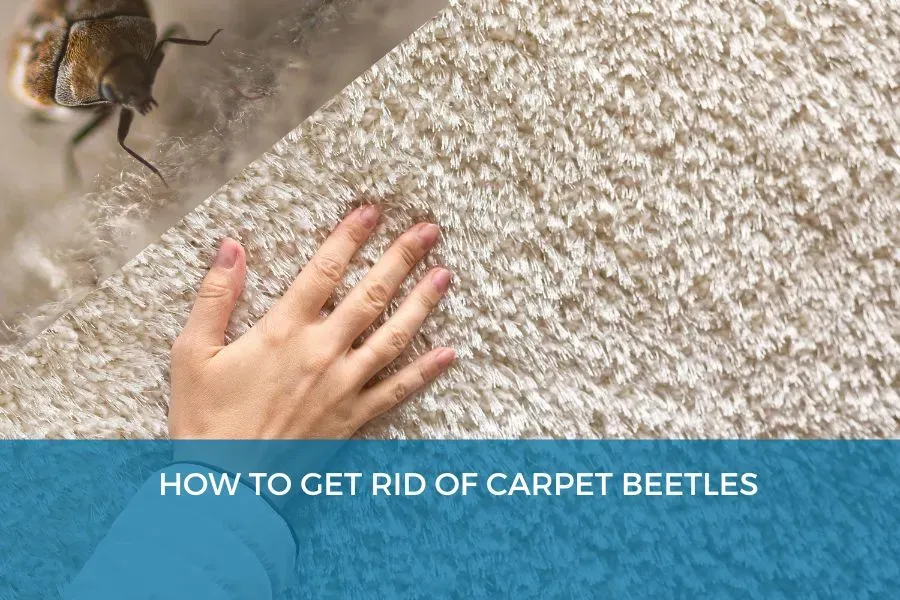
Carpet beetles may be tiny, but their impact on your home can be significant. These common household pests feed on natural fibers like wool, silk, leather, and even pet hair, leaving behind unsightly bald patches in carpets, upholstery, and clothing. If you’ve spotted signs of carpet beetles in your home — or you’re unsure what those odd little bugs are — now is the time to act.
In this guide, we’ll walk you through how to identify, eliminate, and prevent carpet beetle infestations using proven methods and best practices for long-term control.
Where Do Carpet Beetles Come From? (What Causes Carpet Beetles)
Carpet beetles usually enter homes from outside, often without being noticed. Adult beetles are attracted to light, flowers, and warmth, which is why they commonly come in through:
- Open windows and doors
- Gaps around frames or vents
- Cut flowers brought indoors
- Second-hand furniture, rugs, or clothing
Once inside, they lay eggs in quiet, undisturbed areas where natural fibres are present. Poor ventilation, stored textiles, pet hair buildup, and infrequent deep cleaning all increase the risk.
How Do Carpet Beetles Spread?
Carpet beetles don’t spread from person to person — but they spread easily within a home.
- They move through:
- Carpets and rugs
- Upholstery and mattresses
- Wardrobes and storage boxes
- Air vents and skirting boards
Larvae crawl toward food sources, while adults fly short distances, allowing infestations to slowly expand from one room to another.
Where Are Carpet Beetles Commonly Found?
Carpet beetles prefer dark, quiet, fibre-rich areas, including:
- Under carpets and rugs
- Sofas, armchairs, and cushions
- Mattresses and bed frames
- Wardrobes and drawers
- Curtains and blinds
- Air vents and behind skirting boards
They’re rarely seen out in the open — most damage happens before homeowners notice them.

Can Carpet Beetles Harm Humans?
Carpet beetles do not carry diseases and are not dangerous in the traditional sense.
However, they can cause discomfort.
Some people experience:
- Skin irritation
- Red, itchy rashes
- Allergy-like reactions
These reactions are caused by the tiny hairs on carpet beetle larvae, not bites.
Do Carpet Beetles Bite? What About the Larvae?
No — carpet beetles do not bite.
What many people mistake for bites are actually skin reactions caused by contact with larval hairs. These can irritate sensitive skin and may resemble insect bites, but there is no puncture or blood feeding involved.
Are Carpet Beetles Dangerous or Safe?
Carpet beetles are not dangerous, but they are destructive.
They can:
- Ruin carpets, rugs, and upholstery
- Damage clothing, wool, silk, and leather
- Contaminate stored items with shed skins
Left untreated, infestations can become costly and widespread.
Where Do Carpet Beetles Lay Their Eggs?
Carpet beetles lay eggs directly near food sources, including:
- Carpet edges
- Inside wardrobes
- Upholstery seams
- Under furniture
- Bedding and mattresses
Eggs hatch within 7–14 days, making early detection critical.

What Do Carpet Beetles Eat?
Carpet beetle larvae feed on natural fibres, including:
- Wool and carpets
- Upholstery fabrics
- Silk and cashmere
- Leather
- Pet hair and human hair
- Feathers and lint
They are not attracted to clean synthetic fibres, but dirt, oils, and debris make fabrics more appealing.
How Long Do Carpet Beetles Live?
The full carpet beetle lifecycle can last 2 months to over a year, depending on conditions.
- Eggs: 1–2 weeks
- Larvae: several months (most damaging stage)
- Pupae: 2–3 weeks
- Adults: a few weeks
Most damage occurs during the larval stage.
Can You Freeze Carpet Beetles?
Yes. Freezing is very effective for small items.
- Seal items in airtight bags
- Freeze at −18°C or lower
- Leave for 72 hours minimum
This kills eggs, larvae, and adults.
Will Carpet Beetles Die in the Washing Machine?
Yes — hot washing is highly effective.
- Wash at 60°C or higher
- Tumble dry on high heat
- Works for clothing, bedding, and soft textiles
Heat kills all life stages.
Do Carpet Beetles Die in Winter?
Not necessarily.
Indoor infestations survive year-round because heating keeps conditions ideal. Outdoor beetles may die off, but indoor larvae remain active unless treated.
What Colour Are Carpet Beetle Eggs?
Carpet beetle eggs are:
- Tiny
- White or cream-coloured
- Hard to see without close inspection
They are often hidden deep in fibres, seams, or cracks.
Do Carpet Beetles Shed Their Skin?
Yes. Larvae shed their skins multiple times as they grow.
These shed skins:
- Look like tiny brown husks
- Are often found near damage
- Can trigger allergic reactions
Finding shed skins is a strong sign of an active infestation.

Why Are Carpet Beetles in My Bed?
Beds provide:
- Warmth
- Fabric fibres
- Hair and skin flakes
Larvae may live in mattresses, bed frames, or under beds — especially if rooms aren’t vacuumed deeply.
Why Are Carpet Beetles in My Kitchen?
Kitchens attract carpet beetles because of:
- Pet food
- Spilled grains or crumbs
- Stored natural materials
- Warm appliances
They don’t eat fresh food like ants, but they will feed on dry organic matter.
How to Get Rid of Carpet Beetles: DIY Cleaning or Professional Help?
How to Remove Carpet Beetles at Home
1. Identify the Signs of Carpet Beetles
Before you treat anything, you need to make sure you’re dealing with carpet beetles. Look for:
- Tiny brown or black beetles (adults are ~3mm long)
- Fuzzy, striped larvae (look like small caterpillars)
- Shed skins or fecal pellets near baseboards or under furniture
- Damage to natural fibers: wool, silk, leather, feathers
Common hiding spots: under rugs, inside air vents, wardrobes, behind baseboards, and on windowsills.

What You’ll Need to Get Started
To treat carpet beetles effectively, gather:
- HEPA vacuum cleaner
- White vinegar or apple cider vinegar
- Essential oils (lavender, peppermint, eucalyptus)
- Diatomaceous earth (food-grade)
- Laundry detergent and hot water
- Resealable plastic bags
- Steam cleaner (optional)
- Boric acid or borax
- Flashlight for inspection
- Professional carpet cleaning by certified cleaners (optional for severe infestations)
2. Deep Clean All Affected Areas
Carpet beetles and larvae can burrow deep into carpets and upholstery. Start with:
- Vacuuming thoroughly — especially edges, under furniture, and around baseboards
- Dispose of vacuum bags immediately
- Steam clean carpets and rugs if available
- Launder all affected textiles in hot water and dry on high heat
For severe cases, schedule a professional carpet cleaning to eliminate larvae from deep fibers.
3. Try Natural Carpet Beetle Removal Methods
If you prefer chemical-free solutions:
- White vinegar spray: Mix 50/50 vinegar and water. Spray along baseboards, cracks, and fabrics.
- Diatomaceous earth: Sprinkle lightly under rugs and along baseboards. Harmless to pets, deadly to beetles.
- Essential oils: Mix 10–15 drops of peppermint or eucalyptus oil with water and spray fabrics.
- Freeze infested items: Put small infested textiles in plastic bags and freeze for 72 hours.
These DIY carpet beetle solutions are affordable, safe, and surprisingly effective.
You may also like: How to clean carpet naturally

4. Use Targeted Insecticides or Treatments
If natural methods aren't enough:
- Apply boric acid or insecticide sprays labelled for carpet beetles (follow instructions)
- Treat crevices, cracks, and any suspect nesting zones
- Avoid overuse around pets or children
📌 Pro Tip: Avoid mothballs — they’re toxic and ineffective against beetle larvae.
Why Choose Professional Pest Control or Carpet Cleaning for Carpet Beetles?
Why Use a Professional Pest Control Service?
Professional pest control is most suitable when carpet beetles are widespread or repeatedly returning. It focuses on controlling the insects at every stage of their life cycle, particularly in areas that are difficult to access during normal cleaning.
How pest control services remove carpet beetles:
- Carry out a full inspection to locate breeding and nesting areas
- Apply targeted treatments to cracks, crevices, skirting boards, air vents, and wall voids
- Use professional-grade insecticides designed to kill eggs, larvae, and adult beetles
- Provide advice on sealing entry points and reducing future risk
Pest control is especially effective when beetles are found in multiple rooms, wall cavities, or storage areas, or when the infestation keeps coming back despite thorough cleaning.
Why Choose Professional Carpet Cleaning?
Professional carpet cleaning is often the most effective solution when carpet beetles are embedded within carpets, rugs, sofas, or mattresses. Rather than relying on chemicals, it removes both the insects and their food source.
How professional carpet cleaning removes carpet beetles:
- Uses high-temperature steam or hot water extraction to kill larvae and eggs
- Penetrates deep into carpet fibres and upholstery where larvae hide
- Removes dust, pet hair, skin flakes, and organic debris beetles feed on
- Physically extracts shed skins and eggs from fabrics
This method not only deals with the infestation but also helps prevent it from returning by eliminating the conditions carpet beetles need to survive.
When Is a Combined Approach Best?
In more serious cases, combining pest control treatment with professional carpet cleaning offers the most reliable results. Pest control addresses hidden insects in structural areas, while carpet cleaning removes infestations deep within soft furnishings.
For homeowners dealing with ongoing or widespread carpet beetle problems, this combined approach provides a thorough, long-term solution rather than repeated short-term fixes.
Prevent Future Carpet Beetle Infestations
Once you’ve removed them, prevent them from coming back:
- Vacuum weekly, especially in hidden areas
- Inspect flowers or plants before bringing them indoors
- Seal windows and doors to block entry points
- Store clothing and wool items in airtight containers
- Use cedar blocks or lavender sachets in closets
Regular cleaning and vigilance are your best defence.
Final Thoughts
Carpet beetles can be persistent pests, but with quick action, natural solutions, and routine carpet care, you can reclaim your home. A combination of deep cleaning, prevention, and if needed expert cleaning will ensure your carpets stay fresh, fabric-safe, and beetle-free.