

When we usually think about hygiene in care homes, the things that come to mind are floor and frequent changing of sheets but one silent and invisible thing that can affect them more than dirty floors and sheets over a period of time: the mattress.
It is a known fact that the elderly spend most of their time in bed, and the usage of the mattresses is maximum, which makes them dirtier over the course of time. It is definite that it is going to be a home to sweat, dead skin, and bugs. This can cause really serious health issues like cellulitis and sepsis, and you cannot avoid cleaning the mattress. It is not just about making it look neat, but it is also about the health of the people, and so you should pay attention to mattress cleaning, just like anything else.

Why Are Elderly People Affected More?
The immune system gets weak over time and the skin starts thinning with every passing day. The body automatically starts to become more fragile, and it is incapable of fighting every disease.
For elderly people, if the mattress is not clean, it can cause:
Breathing Troubles
Dust particles float in the air when someone moves on the bed and cause severe breathing problems or worse, coughing.
Skin Infections
Germs like bacteria grow on the dirty mattress, which affects their health, or if they have a small cut or bedsore, then the infection may worsen due to bacteria.
Bad smells and loss of dignity
Leaking urine often happens in elderly homes, and if the mattress cleaning is not maintained, it will cause a bad smell, which makes them uncomfortable and embarrassed. So, a clean sheet is not the solution, but you need deep cleaning of the mattress to fix these problems.
Signs a Mattress Needs Professional Cleaning in Elderly Care Homes
In many cases, a mattress may look clean on the surface, but hidden contamination builds up over time. In elderly care environments, early signs should never be ignored because they usually indicate deeper hygiene problems inside the mattress layers.
Here are the most common indicators:
- Persistent unpleasant smell (especially urine or damp smell)
- Increased coughing or breathing discomfort during the night
- Visible stains or yellowing of the mattress surface
- Worsening of skin conditions such as rashes or bed sores
- Allergic reactions or sneezing when lying down
If any of these signs are present, professional mattress cleaning should be arranged quickly to prevent further health deterioration and infection risks.
Dust Mites, Allergens and Air Quality in Care Homes
One of the most overlooked problems in elderly care mattresses is the buildup of dust mites and allergens. These microscopic organisms thrive in warm, humid environments and feed on dead skin cells, making mattresses the perfect long-term habitat.
As residents move or change position in bed, these allergens are released into the air and inhaled, which can directly affect respiratory health.
This can lead to:
- Asthma flare-ups
- Chronic coughing
- Breathing difficulties
- Allergic reactions
Regular professional mattress cleaning significantly reduces allergen levels and improves indoor air quality, which is especially important in enclosed care home environments where residents spend most of their time indoors.
Why It Matters Even More In Big Cities Like London
The environment of London can cause more problems in elderly homes, as it is one of the busiest cities, and more dust and pollution can come inside, or in winter, the rooms are warm and damp, so it is the perfect place for growing fungus and molds.
If you are looking for mattress cleaning in London, you will find many companies, but you have to choose one that understands:
1. How to stop infections from spreading
2. How to dry the mattress faster because elderly people can’t wait the whole day.
3. How to use skin-sensitive cleaning liquids to protect their sensitive skin from reaction.
A good mattress cleaning service dries the mattress in 5-7 hours or cleans the mattress step by step in a week, so elderly people are never without a bed.

What Professional Mattress Cleaning Really Does
A mattress that has been used for many years, containing dust, sweat, or sometimes urine or blood, needs cleaning tools that can reach deep inside.
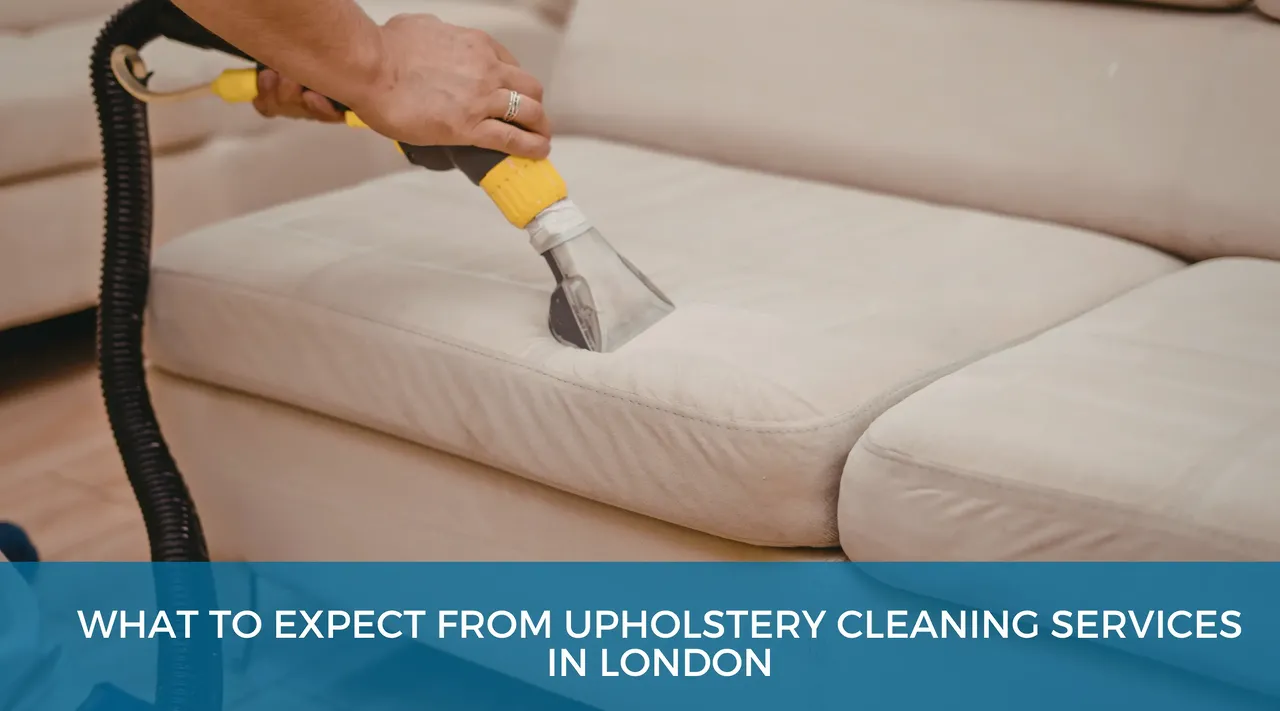
A professional mattress cleaner uses special machines that do these three main things:
Very hot steam:
This is the best method to clean the mattress by avoiding any types of chemicals to remove dust, sweat, and tiny bugs.
Strong Suction:
Through suction, you can easily pull out all sorts of dust and allergens from the mattress, and it is definitely one of the most effective ways to clean them.
Safe cleaning liquids:
They use liquids to clean up vomit, blood, and urine that don’t cause skin problems in elderly people.
For a care home, it is not just about cleaning the mattresses but also about protecting them from many problems and preventing them from getting sick.
DIY vs Professional Mattress Cleaning – What’s the Difference?
Many care homes try to handle mattress cleaning internally, but this usually only addresses surface dirt rather than deep contamination inside the mattress structure.
Here is a clear comparison:
DIY Cleaning:
- Surface-level cleaning only
- Moisture can remain trapped inside
- Cannot remove deep bacteria or allergens
- Odors often return quickly
Professional Mattress Cleaning:
- Deep extraction of contaminants
- High-temperature steam kills bacteria and dust mites
- Industrial equipment removes embedded allergens
- Faster and controlled drying process
For elderly care environments, professional cleaning is significantly more reliable and safer in the long term.
Is Steam Cleaning Safe for Elderly Mattresses?
Steam cleaning is one of the safest and most effective methods when done professionally.
High-temperature steam:
- Kills bacteria and dust mites
- Breaks down dirt and body oils
- Reduces the need for harsh chemicals
When combined with proper extraction and drying, it provides deep cleaning without causing irritation to sensitive skin.
Is Spending Money on Professional Care Worth It?
Some home care managers worry about cost. A professional clean might cost £30 or above for each mattress, or for 40-bed homes, it can cost above £1200 or above for a full clean. It sounds too much. Right?
But let's compare this to the cost of not cleaning:
Skin infections can take multiple and long treatments that would definitely cost you a lot.
One asthma attack might need ambulance or hospital treatment.
A tiny bug problem means throwing away the mattress, which costs you £300 for each.
Above all patients suffer a lot by having multiple treatments on their fragile bodies, as many of them can’t even be in a position to bear it. If you look at it this way, mattress cleaning actually saves money and, most importantly, keeps the resident happy.
How Often Should You Clean a Mattress in a Care Home?
This is one of the common questions, and one answer can never be given because it depends on the condition and needs of the resident. Here is the simple guide:
Residents who have incontinence:
Probably after 3 months because the liquid goes deep inside the mattress.
For a long stay:
You should clean it every 6 months because they often spill drinks or food on the mattress.
For short-stay:
You must clean after every resident leaves. Never give the mattress to a new person without deep cleaning.
Tip: You can also use a waterproof mattress cover to keep the mattress safe from many things and wash it weekly in hot water. But keep in mind that it is not a perfect solution for home care, as it can also leak or tear. Only professional mattress cleaners can clean the mattress for better protection.

Easy Steps You Can Take Today
You don’t have to clean every mattress at the same time, but if you have a cost problem, then you can schedule the cleaning of the mattress as per the needs of the resident. Here is the simple plan.
- Look at the mattress where the patient coughs more at night
- Start with the rooms that have severe problems with breathing
- Book a trial of cleaning 5 to 10 mattresses from the local mattress cleaning service
- Watch for changes or ask the nurse whether the cough has lessened. Is skin better?
- Then set up a regular schedule for your home care, like every three months or six months
In Conclusion
In elderly homes where clean floors and washed sheets play a major role, there is also a mattress that can make a significant change in their lives to make them happy and comfortable, as it is the place where they spend day and night. You can’t see tiny bugs or germs, but they are affecting the health of residents. So, mattress cleaning service is a solution to avoid multiple problems of residents and to keep them away from multiple treatments and medications.
Take the first step and go for the best mattress cleaning service near you, like Prolux Cleaning. Ask for a professional mattress cleaner that understands elderly care. A clean mattress means a healthier, happier, and peaceful life for those who need it, and you are also satisfied that you are giving the best possible care to elderly people.