Upholstery cleaning may be a normal procedure in all the other places, but when it comes to London properties, it definitely is a serious issue. It is not just DIY cleaning or a simple vacuuming process because there is a whole procedure involved that takes about 5 to 7 steps. We understand that people are often unaware of what is included and what is not, and that is exactly what we are going to talk about below.

In this article, we will discuss all the steps that are included in Upholstery Cleaning. We will also talk about the average cost and time it takes when getting these cleaning services in London. So let’s get into the details to find everything out.

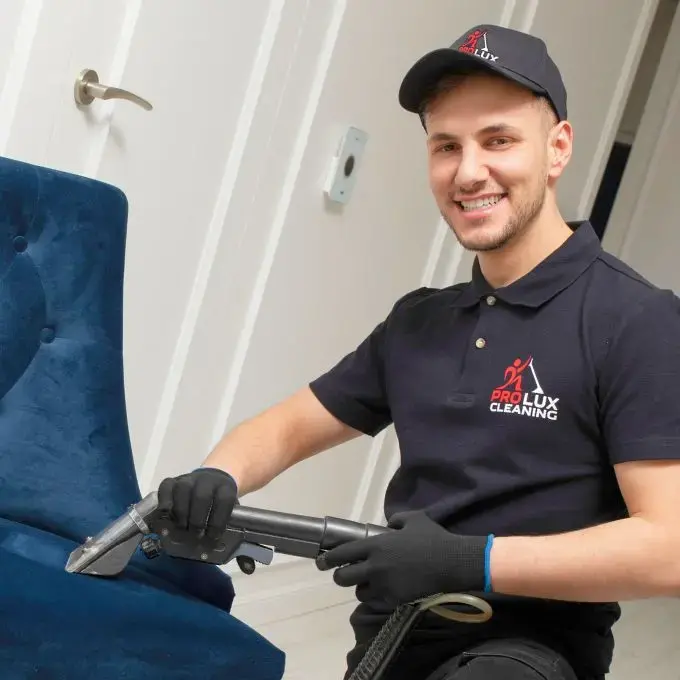
Professional upholstery cleaning service in London removing stains, dust and allergens from sofas and fabric furniture

How Professionals Choose Between Steam Cleaning and Dry Cleaning

Professional upholstery cleaning does not begin with machines, it begins with choosing the correct cleaning method. Different fabrics react differently to moisture, heat, and cleaning solutions, which means that using the wrong approach can lead to shrinkage, colour loss, or long drying times.

In London homes especially, upholstery ranges from modern synthetic fabrics to delicate natural fibres, and each requires a tailored approach.

Steam Cleaning (Hot Water Extraction)

Steam cleaning, also known as hot water extraction, is one of the most effective methods for deep cleaning durable upholstery fabrics. During this process, a professional solution is applied and extracted using powerful equipment that removes embedded dirt, allergens, and residues from within the fibres.

This method is typically suitable for:

  • Synthetic fabrics
  • Heavily used and stained sofas
  • Odour-related cleaning
  • Restoration-related cleaning
  • Deep disinfection cleaning

Dry Cleaning / Low-Moisture Cleaning

Dry cleaning methods use minimal moisture and specialised products designed for delicate fabrics that cannot tolerate high levels of water or heat. This approach helps reduce risk for sensitive materials while still improving cleanliness and freshness.

Dry cleaning is often chosen for:

  • Silk upholstery
  • Antique or delicate furniture
  • Fabrics prone to shrinking or colour bleeding

A professional technician will always assess the fabric first before selecting the safest and most effective method.

You may also like: Steam Cleaning vs. Dry Cleaning: Which Is Best for Your Upholstery?

The Detailed Professional Upholstery Cleaning Process

When we say cleaning process, we actually mean it because it is not just a one or two-step procedure; rather, it takes about five to seven steps to get everything done. Let’s understand what these are so you know everything before you get these cleaning services.

  • One of the first steps in the cleanliness process is the proper fabric assessment. You cannot get the services without the professionals knowing about the fabric they are going to deal with. Each fabric needs a different type of solution to get rid of the stains and so this is the first step.
  • Then comes the pre-vacuuming where all the things hidden behind the threads of your carpets are taken out to make sure the process does not miss anything.
  • Before deep cleaning begins, cleaning solutions are applied to treat specific stains and problem areas. Specialised solutions are used to break down marks, spills, and odours at their source.. This pre-treatment stage helps loosen stubborn dirt and prepares the fabric for deeper extraction.
  • Then comes the next step which is deep extraction. This is the step where procedures like steam cleaning are involved to make sure every corner is cleaned thoroughly and in detail to make sure nothing stays behind. In steam cleaning the solution is injected into the fabric to remove everything from within.
  • There is another option for deep cleaning, which is dry cleaning, and it is often used for sensitive fabrics like silk that can otherwise be damaged if the solutions or the procedures are a little too harsh.
  • The next step is deodorising and sanitising to make sure all sorts of odours, like pet odours, are properly removed.
  • The last step is the grooming of the fabric to make sure it looks neat and clean while the work is completed for a fine finish.
Step-by-step professional upholstery cleaning process explained in a blog guide for deep cleaning sofas and fabric furniture

How Long Does Upholstery Cleaning Take And When Can You Use It Again?

The time required for professional upholstery cleaning depends on the size of the furniture, its condition, and the cleaning method used. On average, the cleaning process itself can take between one and two hours. A small armchair may be completed fairly quickly, while a large sectional sofa or heavily soiled furniture will naturally require more attention.

However, the cleaning time is only part of the picture. Drying time is equally important.

After steam (hot water extraction) cleaning, upholstery typically takes between 5 to 9 hours to dry. In some cases, especially with thicker fabrics or limited ventilation, it may take up to 12 hours. Dry cleaning or low-moisture methods usually allow for much faster drying, sometimes within 1 to 3 hours.

Several factors influence drying time, including:

  • Fabric type and thickness
  • Level of moisture used during cleaning
  • Strength of the extraction equipment
  • Air circulation and room temperature

Professional equipment with strong extraction removes most of the moisture during the cleaning process, which helps reduce drying time significantly. Proper ventilation, such as opening windows or using heating, can also speed up the process.

If you are planning upholstery cleaning, it is best to schedule it at a convenient time when the furniture can remain unused for several hours. Understanding both the cleaning duration and drying expectations helps avoid surprises and ensures a smoother experience.

The Cost of Professional Sofa Cleaning

When we are talking about upholstery cleaning, we cannot forget to mention the overall cost. We know you are curious and want to know the details, so we’ll try to give you an estimate so you know what you’re going to be charged.

The cost for a small chair can go between £20-£40. For a 2-seater sofa, it can be between £40-£60. For a larger sofa, you may have to pay anywhere between £60-£120. This can also differ depending on the business that you have chosen to get upholstery cleaning service.

Again, there are factors just as we stated above that affect the cost of the cleaning in London. This can include the size of the furniture that you’re getting cleaned, the business that you are choosing, and its reputation. It is also highly dependent on how dirty the upholstery is that you’re getting cleaned. You should always keep all these things in mind so that nothing looks too expensive.

How Often Should Upholstery Cleaning Be Done?

Upholstery cleaning should generally be carried out every 6 to 12 months to prevent the build-up of dust, dirt, and allergens within the fabric. Even if your sofa or armchair looks clean on the surface, fine particles such as dust mites, pollen, pet dander, and everyday debris gradually settle deep into the fibres and padding. Over time, this accumulation can affect indoor air quality and may contribute to frequent sneezing, irritation, or allergy symptoms.

In households with pets, young children, or heavy daily use, more frequent cleaning, every 6 months, is often recommended. In lower-traffic homes, once a year is usually sufficient to maintain freshness and extend the lifespan of the fabric. Regular professional cleaning not only improves hygiene but also helps preserve the appearance, colour, and comfort of your upholstery for longer.

Read also: How Upholstery Cleaning Helps with Allergies and Respiratory Issues

Blog guide about professional upholstery cleaning services in London explaining how sofas and fabric furniture are deep cleaned

Should You Opt for Professional Upholstery Cleaning Services?

If you are still wondering whether professional upholstery cleaning is worth it, the honest answer in most cases is yes. Many people delay cleaning for months, sometimes years, until the fabric looks visibly worn or stained. By that stage, surface vacuuming or supermarket sprays rarely make much difference.

One of the main reasons professional cleaning delivers better results lies in the equipment itself.

How Professional Equipment Differs From DIY Machines

Professional upholstery cleaning machines are significantly more powerful than rental or handheld home units. They operate with higher water pressure, stronger vacuum extraction, and controlled heat settings. This allows them to inject cleaning solution deep into the fibres and extract the majority of the moisture, dirt, and residues in a single controlled process.

DIY machines, on the other hand, often lack strong extraction power. While they may wet the fabric effectively, they do not always remove the moisture properly. This can leave upholstery overly damp, increase drying time, and in some cases even lead to lingering odours if not dried correctly.

Professional technicians also use fibre-specific cleaning solutions rather than general-purpose products. This reduces the risk of colour fading, fabric damage, or sticky residue being left behind.

Why DIY Cleaning Often Falls Short

DIY cleaning can be suitable for light maintenance, but it often struggles with:

  • Deep-seated dirt embedded within the padding
  • Persistent odours (such as pet smells)
  • Heavy staining
  • Delicate or sensitive fabrics

Another common issue is over-wetting. Without experience, it is easy to apply too much solution, which may affect drying time or, in extreme cases, damage the internal structure of the upholstery.

Professional cleaning is not just about stronger machines, it is about controlled technique, correct product selection, and proper moisture management.

While there is a cost involved, many homeowners find that professional cleaning ultimately saves time, effort, and the risk of accidental damage. Instead of experimenting with different DIY methods, a trained technician can assess the fabric, choose the safest method, and complete the job efficiently and with predictable results.

In Conclusion

When it comes to getting Upholstery Cleaning service in London, you should definitely have several things in mind. The services are definitely extensive because London houses are often polluted, and you need to get professional assistance to get them cleaned. The cost also differs depending on different factors like the size and the condition of the fabric.

Having said all of that, you should get in touch with us at Prolux Cleaning if you have been planning on getting upholstery cleaning services in London and have been looking for a professional business to do so. We provide one of the best cleaning services in London, and we are sure you will not regret connecting with us.

Frequently Asked Questions

Regular professional cleaning can extend the life of upholstery by removing abrasive dirt and preventing premature wear, making it more cost-effective than early replacement.

Professional cleaning should leave upholstery fresh, not damp or musty. Strong extraction equipment removes most moisture during the process, helping prevent odours caused by over-wetting.

Yes, when professional fibre-safe solutions are used correctly, upholstery cleaning is safe for households with pets and children. Furniture can normally be used once fully dry.

While many stains can be significantly improved or fully removed, results depend on factors such as the type of stain, how long it has been present, and the fabric material. Professional cleaning aims for the best possible improvement without risking damage.

Yes, steam cleaning (hot water extraction) is safe when performed by trained professionals who assess the fabric first. The method uses controlled pressure, heat, and fibre-safe solutions to remove deep dirt without damaging suitable materials.