

Maintaining a neat environment is not just about aesthetics; it plays a critical role in protecting your restaurant’s reputation. Hygiene standards in hospitality have become stricter and customers now expect visibly clean environments wherever they dine. That means every part of the restaurant needs attention, from floors to seating areas.
Managing this can be challenging, especially in busy venues where spills, grease and constant foot traffic are part of daily operations. In this guide we will look at practical ways to maintain restaurant floors and upholstery so your space stays clean, hygienic and welcoming for guests.
Upholstery Cleaning Guide
Restaurant seating is one of the areas that receives the most wear. Food spills, grease, drink stains and constant use can quickly make upholstery look dirty and worn.
While these issues are unavoidable in hospitality environments, regular maintenance can significantly reduce long-term damage. Some cleaning tasks should be performed daily, while others should be done weekly or monthly to keep seating areas hygienic.
Daily & Weekly Care
Vacuuming upholstery is essential. A high-suction vacuum with a brush attachment should be used every day to remove crumbs, dust and debris from fabric surfaces.
Special attention should be given to seams and crevices where dirt tends to accumulate. In high-traffic restaurants, seating areas may even require vacuuming more than once per day.
Another common mistake is leaving spills untreated. When liquids remain on upholstery for too long they penetrate deeper into the fibres and become much harder to remove. Spills should always be blotted immediately using a microfibre cloth.
Rubbing should be avoided because it pushes the liquid further into the material. Using a gentle fabric cleaner can help remove stains while protecting the upholstery fabric.
Applying a fabric protector can also be helpful because it creates a barrier that reduces liquid absorption.
Understanding Cleaning Codes on Upholstery Cleaners
Many people are unaware that upholstery cleaning products follow specific codes that indicate how they should be used.
- A W label means the cleaner is water-based.
- An S label indicates a solvent-based cleaner.
- WS means the product can be used with both water-based and solvent cleaning methods.
- An X code usually means the fabric should only be cleaned professionally.
Understanding these codes helps prevent using the wrong chemicals that could damage upholstery.
What is the Best Sofa Cleaner for Restaurants?
Restaurants experience constant seating turnover which exposes upholstery to grease, food spills and body oils. Because of this, household cleaning products often struggle to remove deeper contamination from fabrics.
Commercial cleaning products such as M-Power and Prochem Fibre Shampoo are commonly used in professional cleaning environments. These products are designed to break down grease and dirt while remaining safe for most upholstery materials.
Eco-friendly cleaning products are particularly useful in hospitality settings where hygiene and safety are important.
How Do I Remove Tough Stains from Restaurant Upholstery?
Tough upholstery stains in restaurants are usually caused by substances such as wine, sauces, coffee, grease, chocolate, and cooking oils. These stains can quickly penetrate deep into fabric fibres, making them difficult to remove if they are not treated properly.
The first step is always to blot the stain immediately using a clean microfibre cloth to absorb as much liquid as possible. Avoid rubbing the stain, as this can push the contamination deeper into the fabric.
For water-based stains such as coffee, tea or soft drinks, a mixture of warm water and a small amount of mild upholstery detergent can help break down the residue. Lightly apply the solution using a cloth or soft brush and gently blot the area until the stain begins to lift.
Grease-based stains such as cooking oil or food residue usually require specialised degreasing agents. Professional cleaning products such as M-Power or similar upholstery pre-sprays are designed to dissolve oily contamination before extraction cleaning.
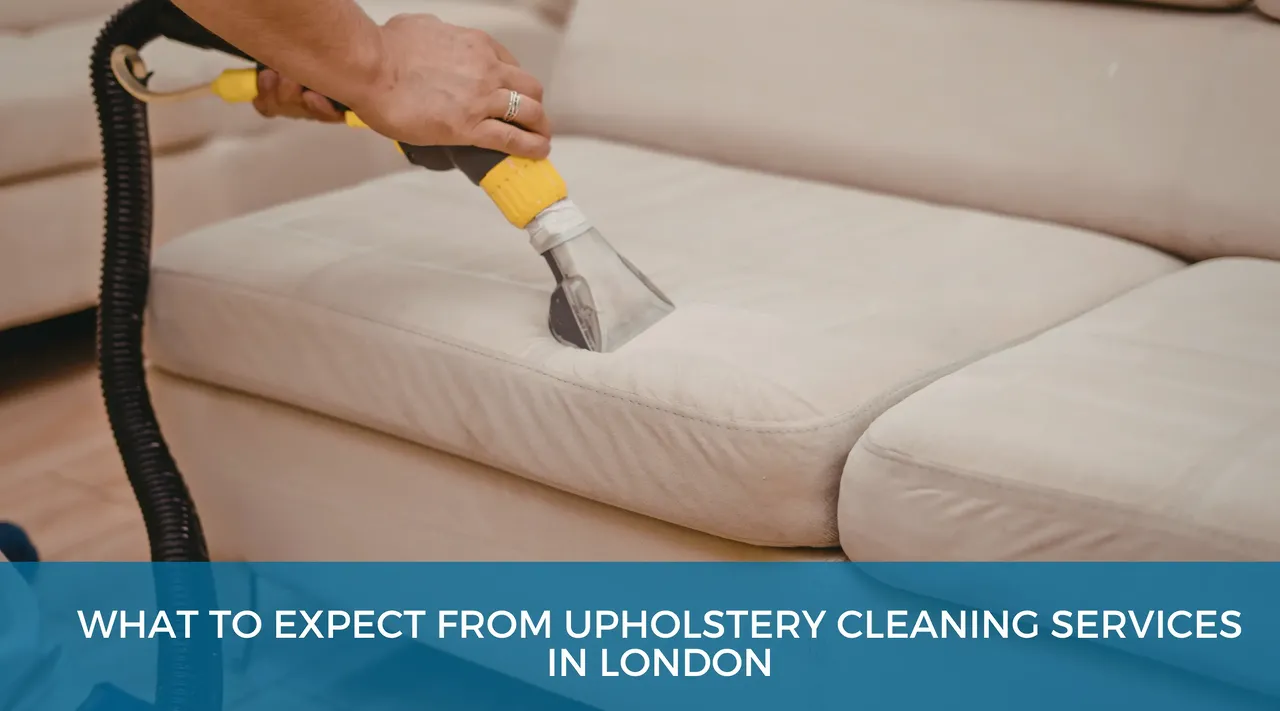
In many cases, hot water extraction cleaning is the most effective solution because it combines heat, pressure and strong suction to remove stains and contamination from deep within the fibres.
How Often Should Restaurant Sofas and Chairs Be Professionally Cleaned?
Many restaurant owners underestimate how quickly upholstery accumulates grease, dust and food particles.
Daily cleaning helps maintain appearance but it cannot remove deeply embedded dirt.
For busy restaurants, sofas and upholstered chairs should ideally be professionally cleaned every two months. High-traffic venues such as cafés and fast-casual restaurants may even require more frequent cleaning.
Professional upholstery cleaning uses specialised equipment and cleaning solutions that remove grease, bacteria and trapped dirt from deep within the fibres. Regular professional cleaning also extends the lifespan of restaurant furniture and prevents odours or permanent staining.
You may also like: Steam Cleaning vs. Dry Cleaning: Which Is Best for Your Upholstery?

Restaurant Floor Care
Restaurant floors experience constant foot traffic from both customers and staff. Because of this they require consistent cleaning to maintain hygiene and safety.
Maintaining clean floors and seating areas is also important for meeting hygiene and safety standards in hospitality environments.
Different floor types require different maintenance approaches depending on the material and location inside the restaurant.
Different Restaurant Floor Types and How to Maintain Them
Restaurants often use multiple flooring materials depending on the area.
Tile floors are common in kitchens because they are durable and resistant to moisture. However grease can build up quickly, especially in grout lines, so regular degreasing is essential.
Wood or laminate flooring is often used in dining areas for aesthetic reasons. These floors should be cleaned using slightly damp mops and gentle cleaning solutions to prevent water damage.
Carpeted floors are sometimes used in dining spaces to create a quieter and more comfortable environment. Carpets should be vacuumed frequently to remove crumbs and dust.
Entrance areas typically collect the most dirt from outside. Entrance mats and more frequent cleaning help prevent dirt from spreading throughout the restaurant.
Daily Protocols
Daily floor maintenance should include the use of colour-coded mops and buckets to avoid cross-contamination between different areas of the restaurant.
Kitchen floors should be cleaned using pH-neutral degreasers designed to remove cooking oils and food residue.
Grease and moisture on restaurant floors can also create slip hazards, which makes regular cleaning essential for both safety and hygiene.
Wet floor signs should always be used during cleaning to prevent accidents. Floors should only be reopened to customers once they are completely dry.
Schedule For Deep Cleaning
Deep cleaning should be performed regularly to maintain proper hygiene standards.
Hard floors such as tile, stone or vinyl should be machine scrubbed periodically to remove grease build-up and dirt that regular mopping cannot eliminate.
Kitchen floors often require more frequent deep cleaning because they are constantly exposed to cooking oils and heavy staff traffic.
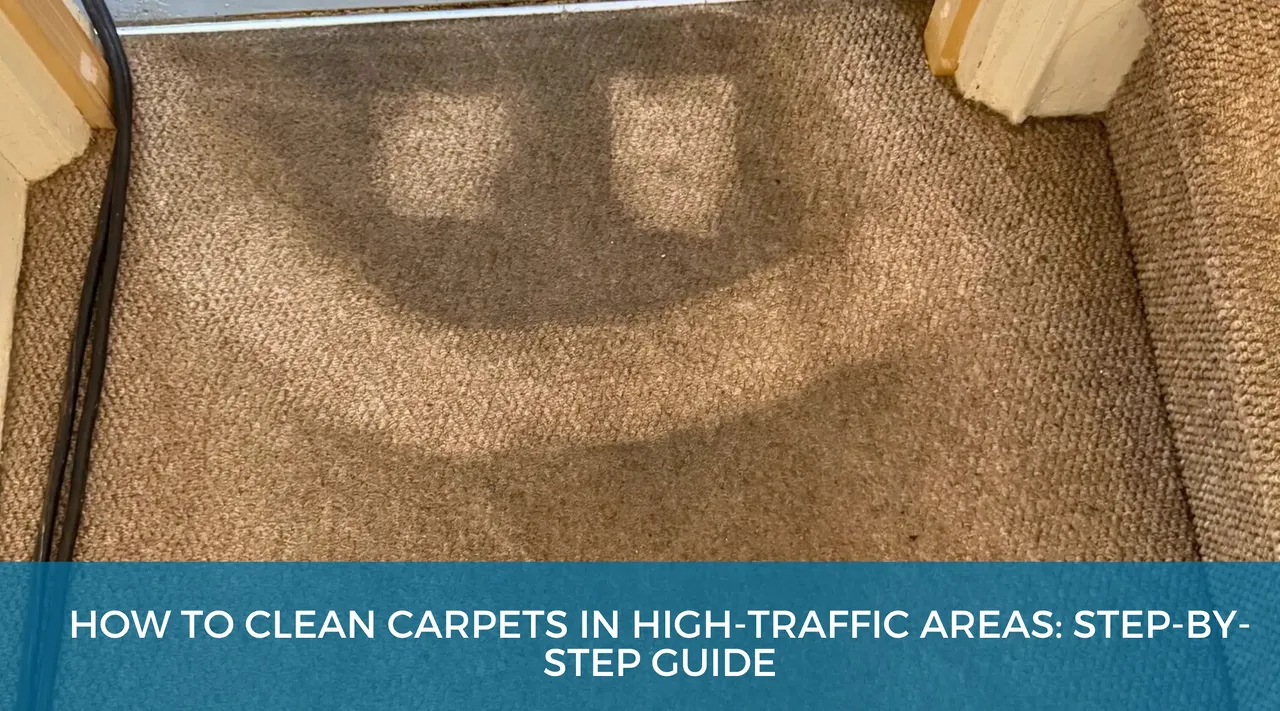
For carpeted areas, deep cleaning is also essential because carpets trap grease particles, drink spills and airborne dust.
Professional hot water extraction cleaning should typically be carried out every 3–6 months depending on the level of foot traffic.
Busy restaurants may require more frequent cleaning to prevent odours and staining.
Read also: How to clean heavily soiled carpet
Professional Carpet and Upholstery Cleaning for Restaurants
While daily cleaning helps maintain hygiene, some contamination builds up below the surface.
Grease from cooking, body oils from seating use and dust from daily activity gradually settle deep into carpets and upholstery fibres. Professional carpet cleaning and upholstery cleaning use commercial equipment and specialised solutions that inject cleaning solution deep into the fibres and extract it using powerful suction.
This process removes embedded dirt, allergens, bacteria and odours, helping restore both carpets and seating areas.
Another advantage of professional cleaning services is flexible scheduling. Many professional cleaning companies can carry out deep cleaning outside of normal restaurant operating hours, such as early in the morning, late in the evening or even during weekends. This allows restaurants to maintain high hygiene standards without interrupting daily service or customer experience.
Regular professional cleaning helps maintain a hygienic dining environment and improves the overall appearance of the restaurant.

Pro-Tips for Maintaining a Clean Environment
Maintaining restaurant cleanliness requires more than occasional deep cleaning.
High-touch surfaces such as door handles, chairs and tables should be disinfected regularly using appropriate cleaning products.
Another important factor is staff training. Employees should understand basic cleaning routines such as wiping spills immediately, reporting stains and following cleaning protocols throughout the day.
Creating a simple cleaning checklist for staff helps ensure that responsibilities are clearly divided and cleaning tasks are performed consistently.
Rotating cushions on booth seating can also help prevent moisture build-up and uneven wear.
In Conclusion
If you have a proper restaurant you should know that it is not easy to maintain it because you have to focus on all the different aspects. You have to make sure that every corner of your restaurant is clean; it does not matter if it is the floor or the upholstery. You should use some of the money that you’re earning from the restaurant in cleaning it because if you do not do so you will lose your customers.
Having said all of that, if you’re looking for professional help to get upholstery and floor cleaning then you should definitely get in touch with us at Prolux Cleaning. We have a team that will assist you in getting every corner of your restaurant cleaned in the best way possible to make sure your customers do not run away after the first visit.